
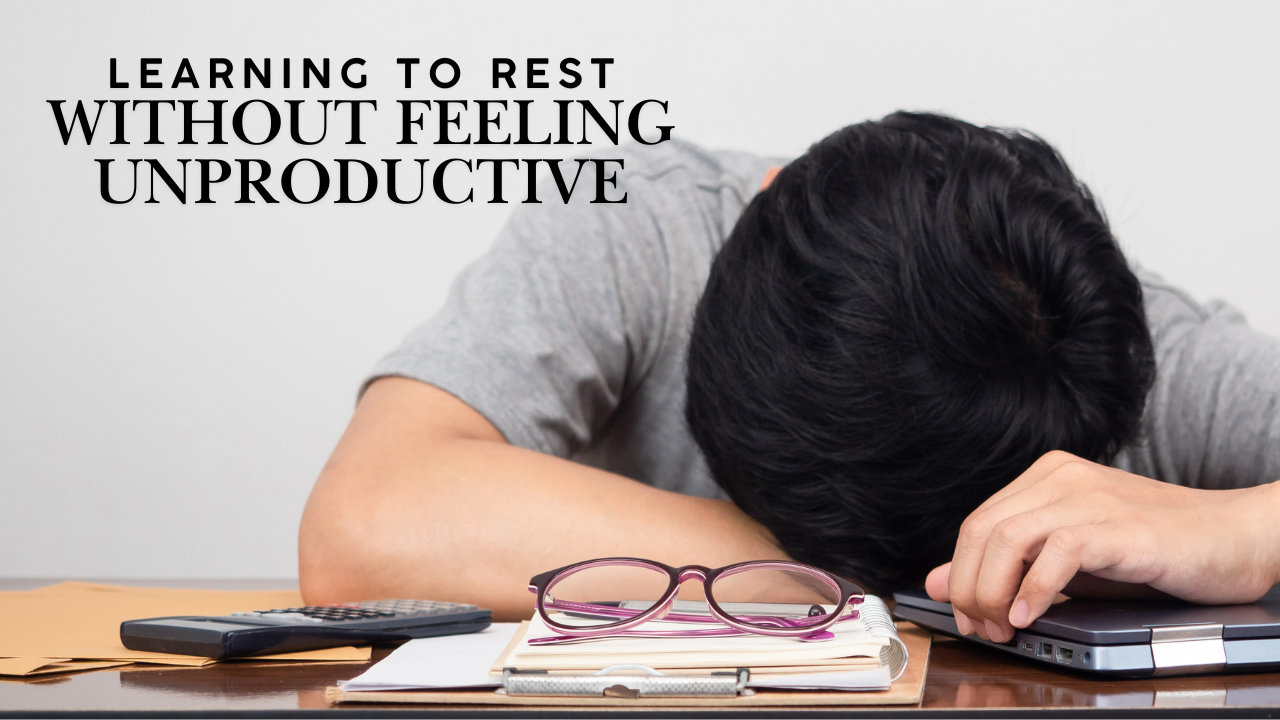

Rest used to feel simple when we were younger. You got tired, you took a break, and that was it. But somewhere along the way, rest started coming with guilt. Now, even a 30-minute break can feel undeserved.
I’ve noticed this about myself a lot lately. If I have five things to work on simultaneously and I decide to sit down for half an hour, my brain immediately starts whispering: You’re wasting time. You could’ve finished one more task. Why are you sitting when there’s still so much left to do?
And the strange part is, even while resting, I’m not fully resting. There’s always something running in the background of my mind. Work deadlines. Content ideas. House chores. Emails. Things I forgot to reply to. Things I need to plan for tomorrow.
It’s like the body pauses, but the mind refuses to.

I think many of us have unknowingly attached our worth to productivity. We feel good when we’re crossing things off lists, replying quickly, staying busy, constantly doing something. And because of that, slowing down starts feeling uncomfortable. Almost irresponsible. As if resting means we’re falling behind.
But human beings were never meant to function like machines. Even phones need charging. Laptops overheat. Apps crash when too much is running in the background. And somehow, we expect ourselves to keep going endlessly without pause.

The older I get, the more I realise that rest isn’t the opposite of productivity. It’s what allows it to continue. Because constantly functioning in survival mode slowly drains the joy out of everything. Work starts feeling heavier. Small tasks start irritating you. Your mind feels crowded all the time. And eventually, you stop enjoying the very things you once prayed for.
I think rest becomes difficult because there’s always this fear that if we pause, things will stop moving. But life doesn’t collapse because you took a break. The emails will still exist after 30 minutes. The laundry can wait a little. The world won’t punish you for sitting quietly with yourself for a while.

And maybe that’s something we need to learn slowly, to rest without needing to “earn” it first. Not every moment of your day has to be optimised. Not every hour has to produce something measurable. Sometimes, sitting with a cup of chai, watching a comfort show, taking an afternoon nap, or simply doing nothing for a while is productive in its own way. Because it gives your mind space to breathe.
I’m still learning this myself. I still catch myself feeling guilty during breaks. I still mentally calculate how much work is left while trying to relax. But I’m beginning to understand that a well-rested mind doesn’t just work better, it lives better.
More softly. More presently. More peacefully.
Maybe rest isn’t laziness. Maybe it’s trust. Trusting that your value doesn’t disappear the moment you stop working. Trusting that you’re allowed to pause without constantly proving your usefulness. And honestly, in a world that glorifies burnout so much, learning to rest might quietly become one of the healthiest things we can do for ourselves.
Leave a Comment